Review | Godzilla: Destroy All Monsters Melee Remastered - Rex-Monstered Edition
Growing up, Godzilla: Destroy All Monsters Melee was one of those ”other” games in my collection. I didn’t play it as much as Super Smash Bros. Melee, Soulcalibur II, or even Dead or Alive 2 and 3, but I did play through it and unlocked most, if not all, of the roster. My memories are a bit fuzzy, but they started unspooling once I got the review code for this new Remastered version. It’s amazing what floats back to the surface. I can close my eyes and tell what’s been changed just by listening to the menu music and sound effects. Today, the Remastered edition stands as a modern re-release that knows what to honour and what to change. There are a couple of issues, but it is better than my best memories and mitigates my worst ones.
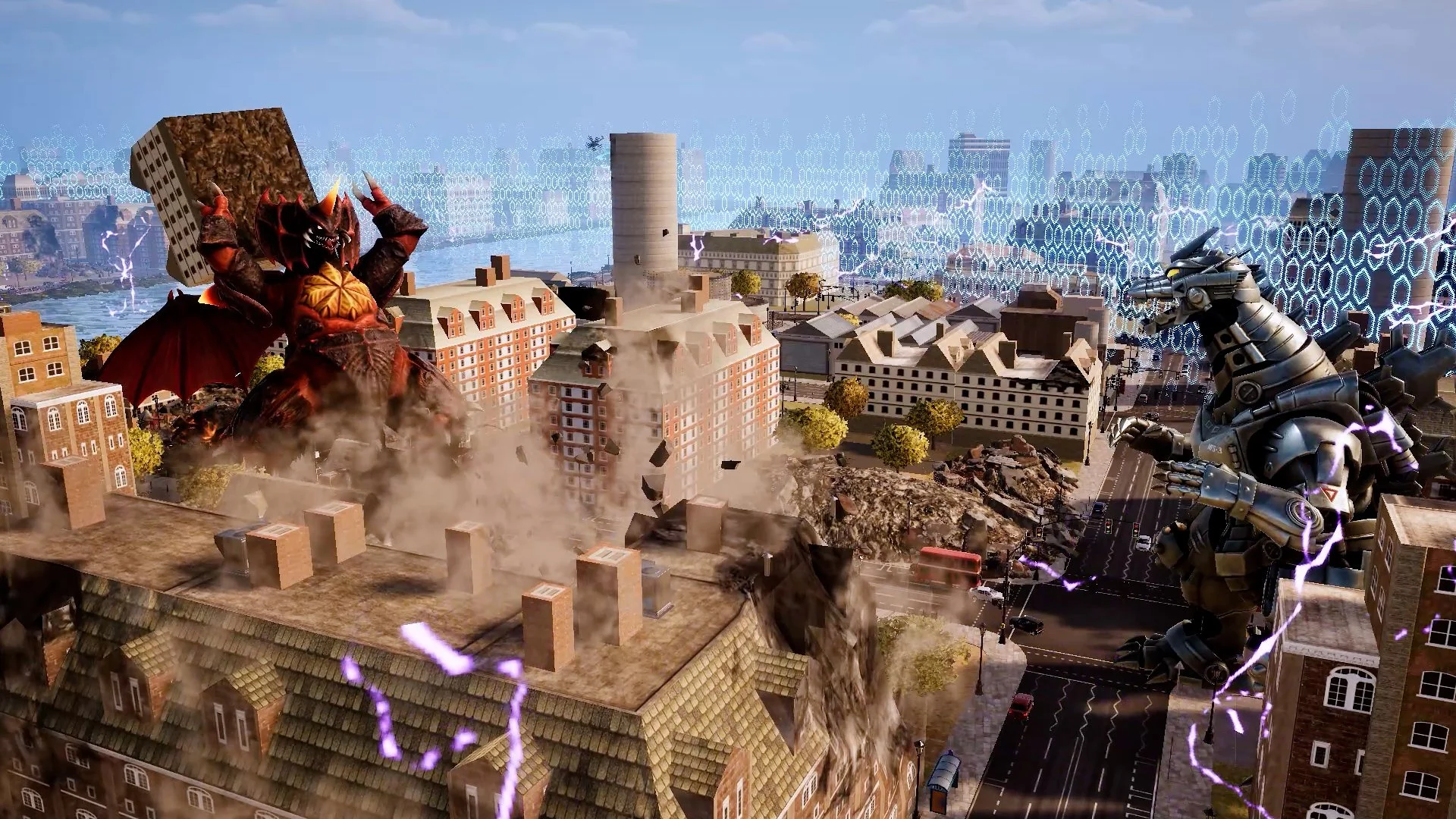
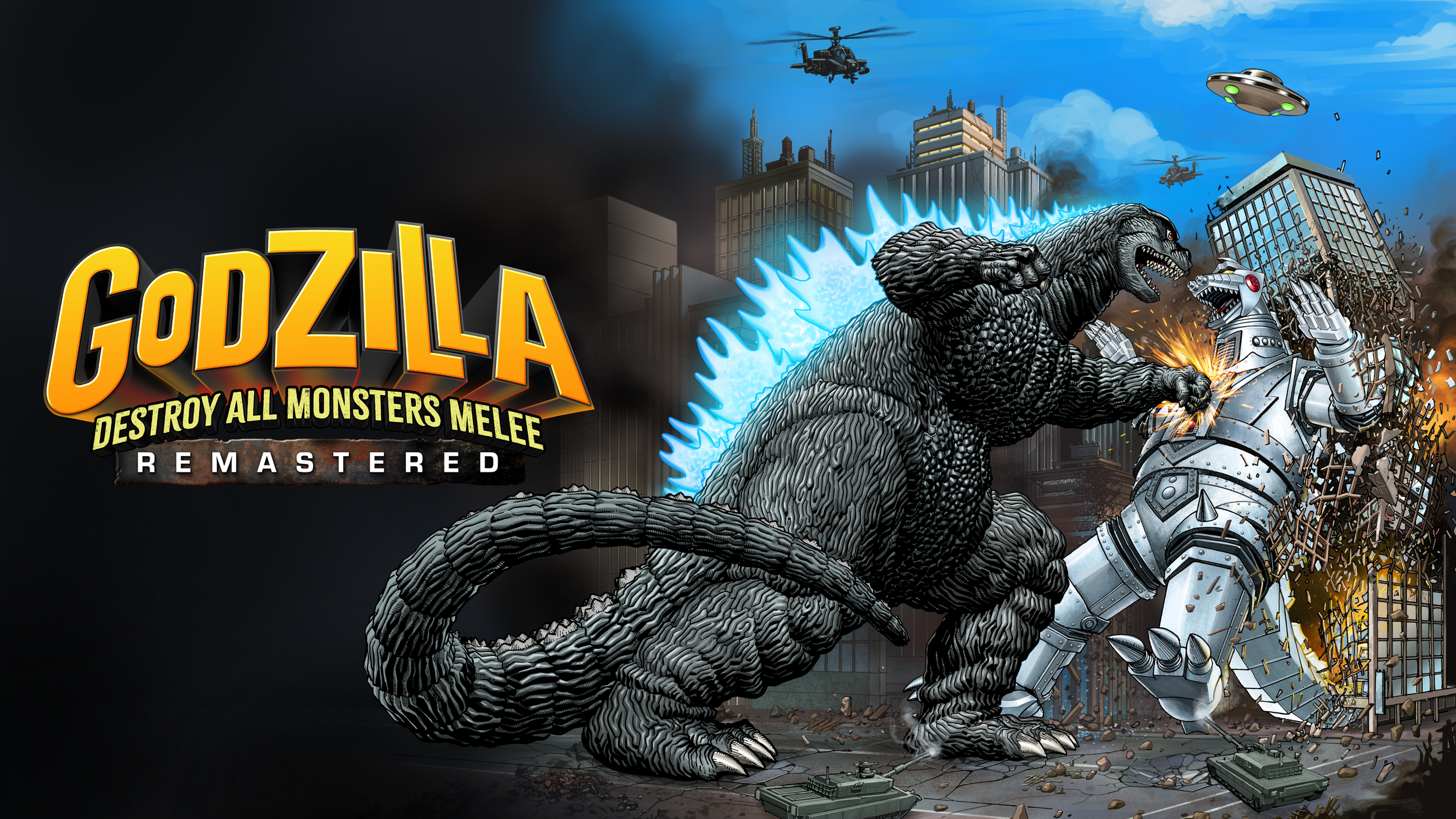
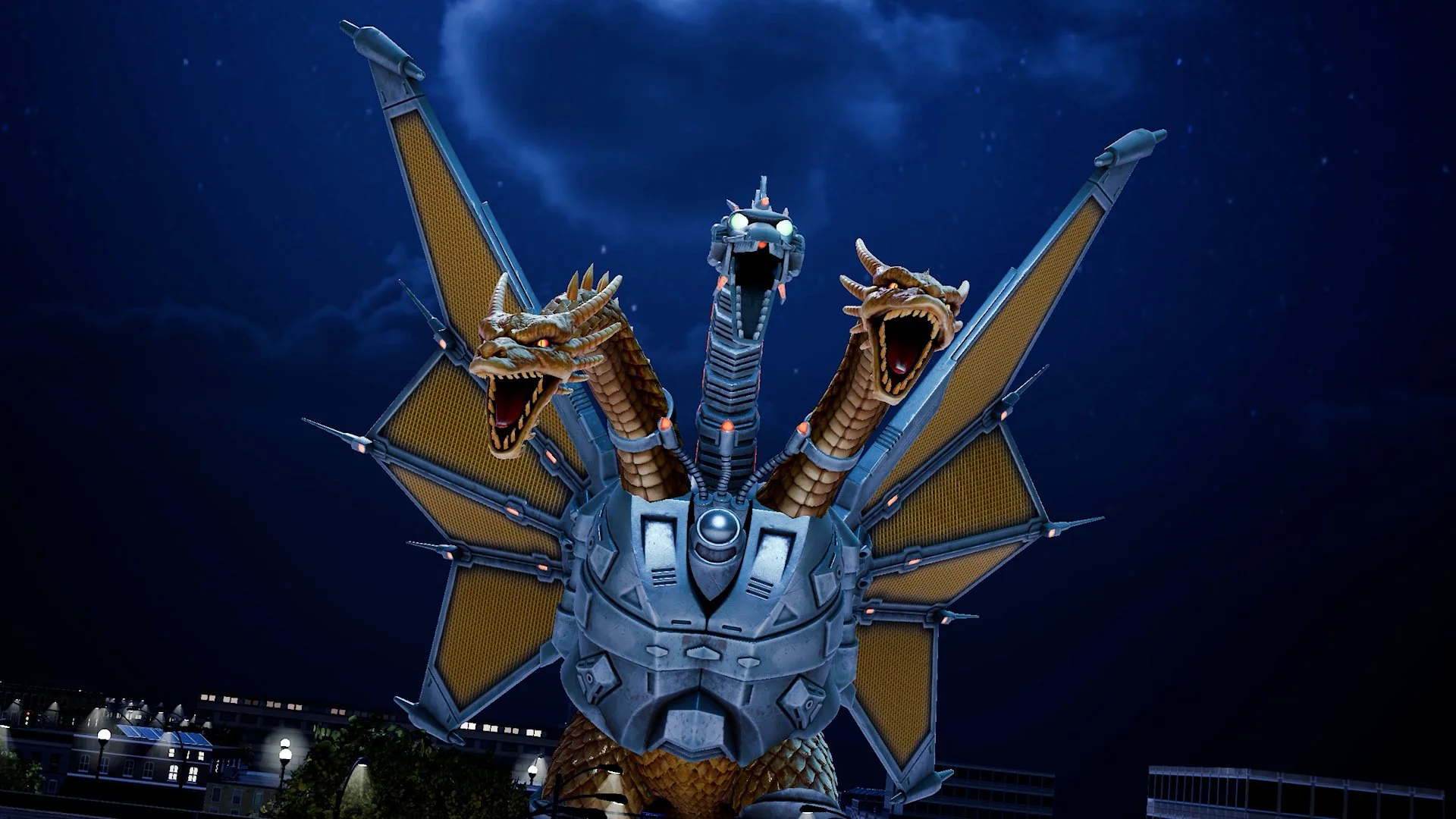
DAMM Remastered stands at the end of a long road for publisher Atari and developer Pipeworks Studios since their initial 2002 collaboration. Through several ownership and focus changes, Atari is basically a whole different company to what it was when the game first released in 2002 under Infogrames, while Pipeworks is now owned by external development specialist Virtuous, who had purchased it from RuneScape developer Jagex in 2025. It’s kind of a miracle they were both able to come back to DAMM at all. That said – the game itself is a straightforward 3D arena fighter starring some of the most recognizable kaiju from Godzilla history. Up to four players can take the reins of monsters like King Ghidorah, Gigan, and multiple forms of Godzilla to wreak havoc on each other, as well as the large cities they’re wrestling in. In the original, you would finish Adventure mode with one creature to unlock some stages and another character, and repeat until you’ve got them all.
In Remastered, this is reworked into a progression-based system where winning fights across different modes doles out both Character experience points for the monster and Research Points for unlocks. While this system can be slow at times – you’ll maybe earn a couple thousand RP per match – it encourages players to experiment with the different fighters and modes. In addition to the three different versions of the Adventure mode, there is also a revamped Destruction mode, which prioritises razing a given city to the ground (but does not give XP), and a Survival gauntlet mode, which doubles both XP and RP for as long as you can hold out on one health bar. The Destruction mode is notable in particular because playing alone highlights some of the best new technical changes Remastered offers.
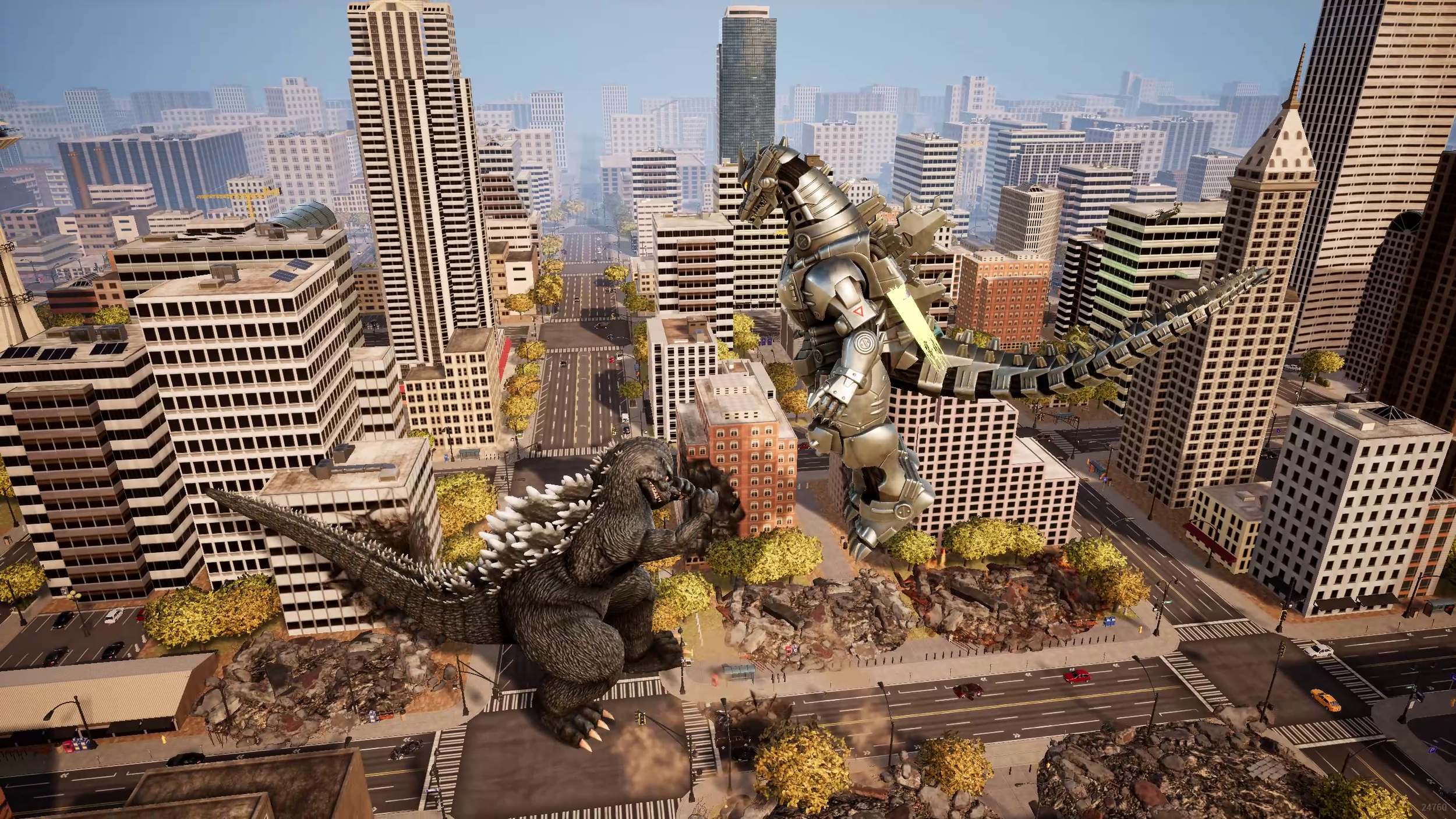
Developed in Unreal Engine 5, I would consider DAMM Remastered more of a remake than its title suggests. The camera alone is a great example of why: in the original, it would start out isometric in fights, but would lock into a more traditional side-view as the monsters came closer and started duking it out 1-on-1. This made it harder to see the environment itself and made doing basic stage activities like picking up buildings more challenging than it needed to be. In DAMM Remastered, the camera stays up higher. It still tightens up as the fighters get close, but remains far away enough to keep track of which ways the roads move and what buildings can be used. Even better, in Destruction mode, the camera can switch to a behind-the-back style that feels intentional, and not like you’re in a multiplayer map waiting for other players to spawn in like the original felt like.
There are greater sweeping changes, too. The art style has been completely redone; the menus are awash with colourful illustrations of the kaiju in action, and they provide much more information about your chosen fighter, down to what movie they were first seen in. There are the loading screens too – in the original, they featured this dark, dimly lit picture of the entire cast, but here they seem to have fun with it, incorporating different monsters together with a clean 2D aesthetic that you don’t see associated with Godzilla that often. As for the music, the simplest explanation is that in the original game the opening movie had a score reminiscent of early 2000s superhero movies, while the new intro feels tonally appropriate to anyone who’s seen just a couple of movies in the Godzilla franchise.
For the first time, DAMM Remastered also offers the chance to go online. This is where things get dicey. Once you get online, you’re treated to two options: Quickplay and Invite a Friend. Quickplay connects you with an opponent, sends you to the character select screen, and that’s about all the options you get. Playing across both PC (via Steam Deck) and Switch 2, I can’t say I saw a significant difference between them, as they were both spotty. I could always find a match, and some of them would go fine, but I’d also encounter connection issues just as often as I wouldn’t. Sometimes these issues would mean a momentary lag, but it could also mean slowing down to a slideshow until the connection is finally lost. I should also mention that there’s seemingly no penalty for quitting mid-match, meaning that if I was doing well, sometimes the opponent would just quit instead of submitting to their defeat. Even if this weren’t an issue, the game abruptly kicks all players out to the main menu after the fight is finished.
For a new version of a game that gets so much right, it’s strange that the online options are so barren. You only have control over things like stage select under the Invite a Friend tab. One could argue that the whole point is to focus on local multiplayer like the original DAMM, but I think the fighting itself is good enough that this remaster could carry on its cult classic legacy by building out more robust online features.
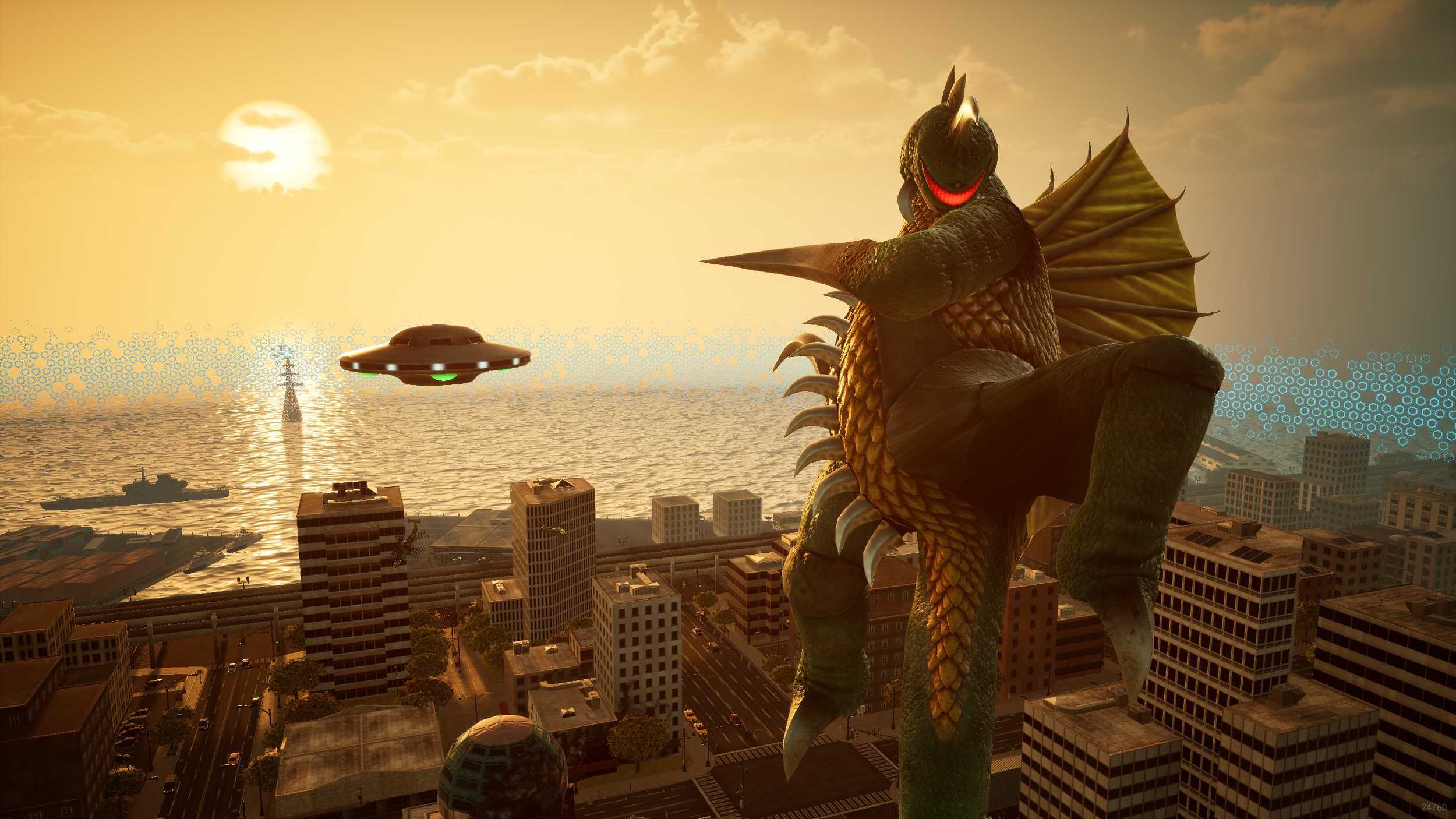
Now, the local multiplayer is definitely important too. I bought the Switch 2 version specifically because it worked better with my TV setup than the PC version. A small price to pay considering this is where the game shines brightest. You can set yourself up against up to three CPU opponents, or get together a bunch of your friends to duke it out. The controls feel better on a modern controller than they did on a GameCube, and the fighting system isn’t massive, but it’s got enough punches, kicks, and throws to still make it easy to learn and hard to master. There are even some objectives and achievements that need to be completed by setting up custom battles on certain stages. Recreating classic fights from the movies is also where you can unlock some production stills and such, too.
I found that I was focusing the most on the little details when I was playing with others. It’s funny the way Rodan, out of all characters, looks the most like a stunt actor in a suit when everyone is cracking up over it; same with the “stubbed toe” animation every kaiju has. There is a certain reverence this game has for its source material that is much clearer now than it was originally. Back then, the developers were still finding ways to incorporate Asian NPCs pointing and shouting “GODZILLA!!!”None of that is here now.
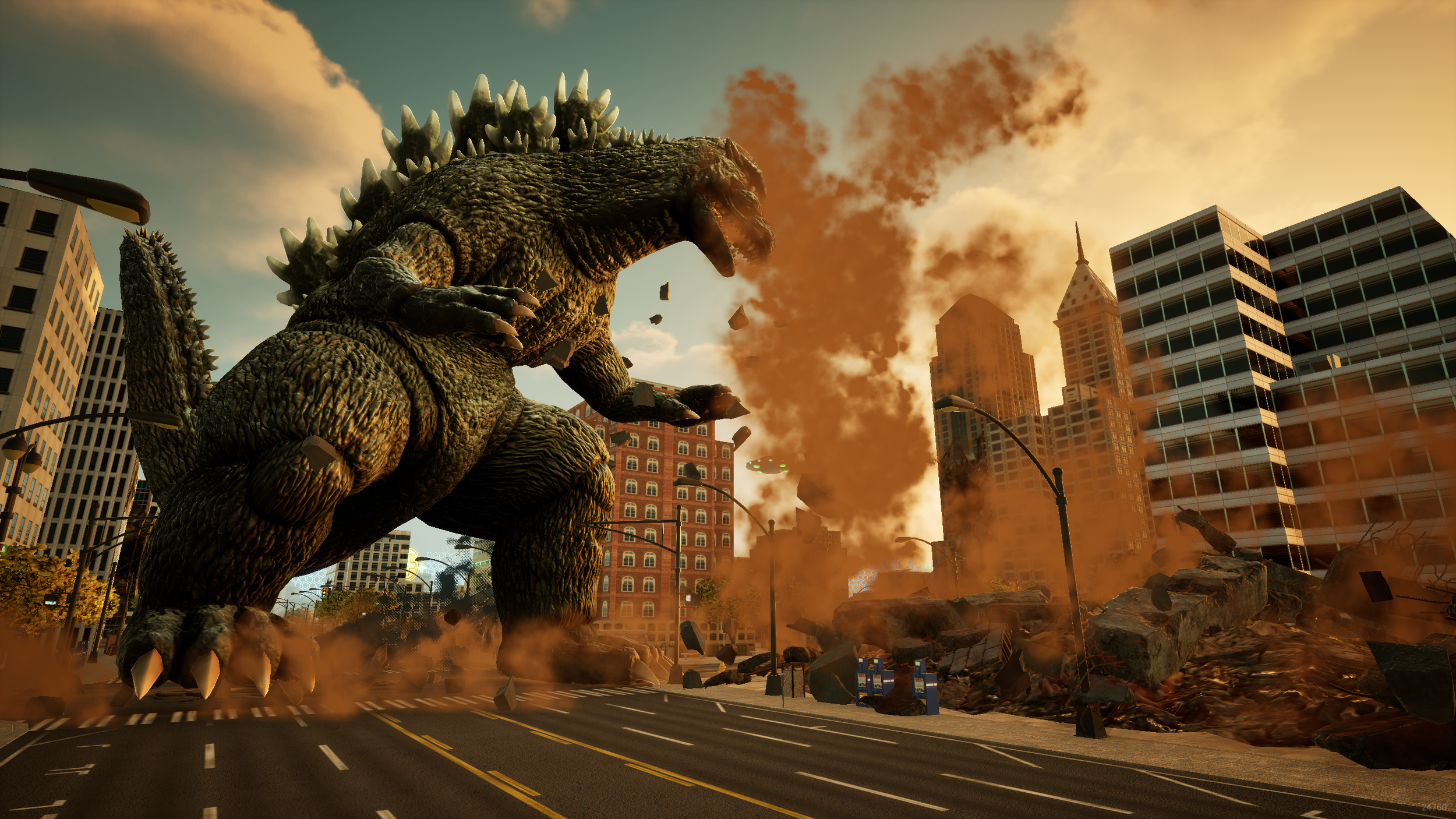
There was a good chance Godzilla: Destroy All Monsters could have lived on in my head as one of those other GameCube games I played as a kid forever. Instead, this remaster serves as a triumphant example of companies getting together and figuring out all the red tape to bring back a cult classic licensed game, while tidying up its issues smartly. It’s the perfect kind of game for a charity livestream. The online gameplay needs to be improved, and the single-player progression might be slow for some, but this is a far better game than it was in 2002. DAMM was my first introduction to the Godzilla franchise, and it brought back all sorts of memories I didn’t realise I still had. Even today, I’ll hear some of those “whizzes” and “burrs” and find myself saying, “Yeah, that sounds exactly right. They nailed it!”
Godzilla: Destroy All Monsters Melee Remastered was played on a Steam Deck with a code provided by the publisher, and on Switch 2 with a physical copy purchased by the writer.